
The Technology Behind Restaurant Digital Menu Boards
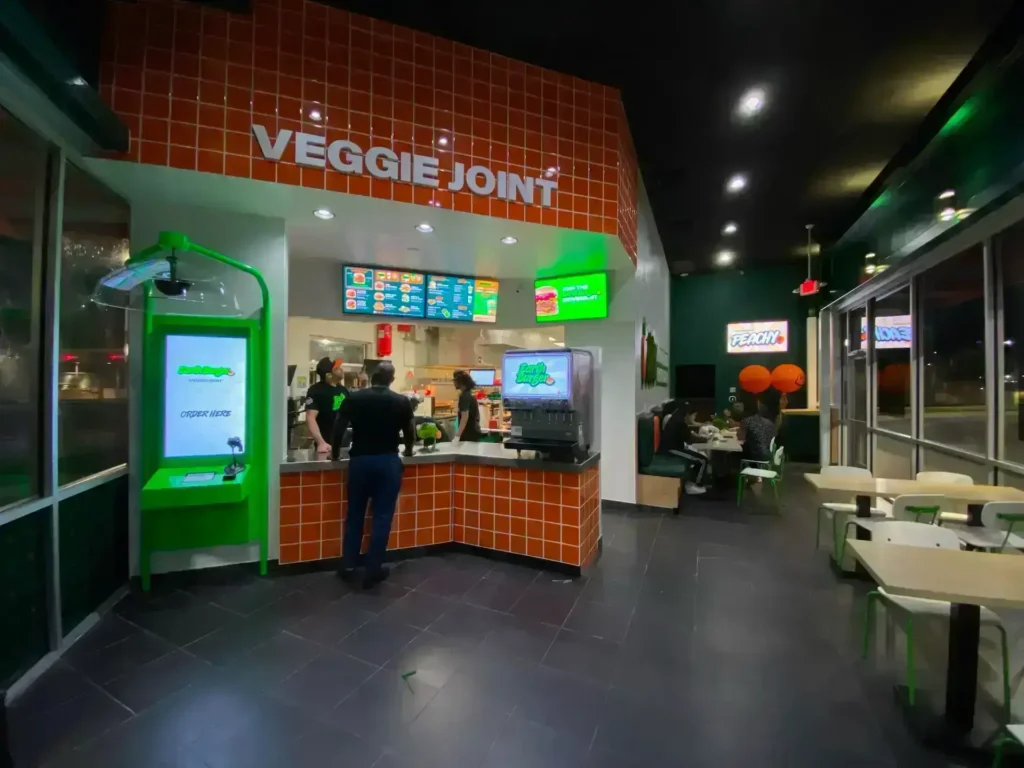
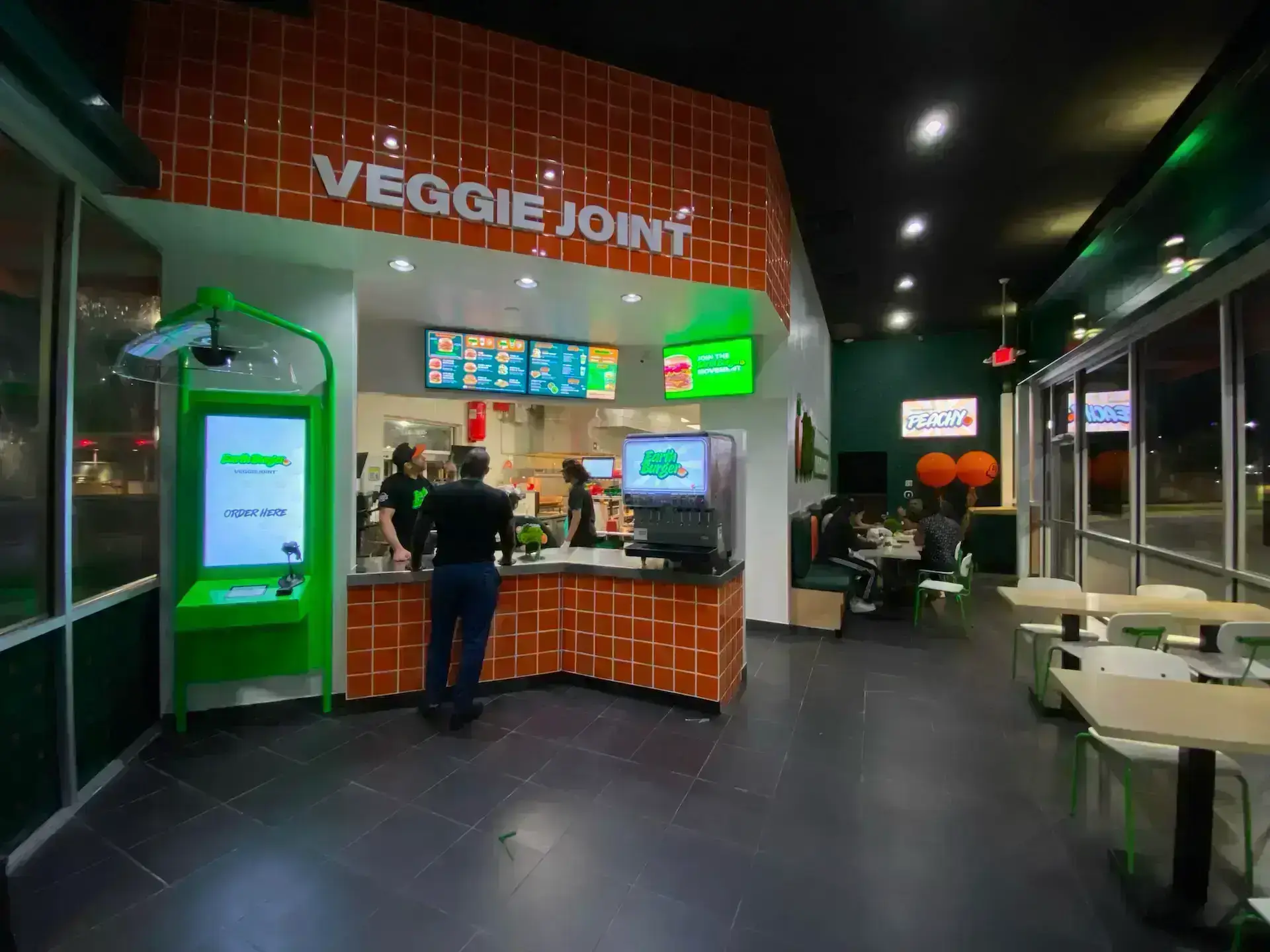
Digital menu boards have become the operational backbone of modern food service. From single-location cafes to sprawling QSR chains, restaurants rely on networked displays to communicate pricing, promotions, and brand identity in real time. Yet the technology driving these systems is often misunderstood. At its core, every digital menu board deployment depends on three layers working in concert: commercial display hardware, a cloud-based content management system, and strategically designed visual content. When these layers are properly integrated, restaurants gain a level of menu control that printed signage was never designed to offer.
How Cloud-Based Management Changes Daily Operations
The defining advantage of a modern digital menu board is centralized, cloud-based management. Rather than manually swapping poster inserts or coordinating with a print vendor, restaurant operators log into a software dashboard and push changes to every screen across every location instantly. A platform like Menuboard Manager, developed by OSM Solutions, gives operators granular scheduling capabilities. Breakfast layouts transition to lunch automatically at a designated time. Promotional graphics for a limited-time offer appear on a set date and disappear without anyone touching the hardware. This automation eliminates the human error and lag time that come with manual processes, freeing managers to focus on service rather than signage logistics.
Content Strategy That Drives Revenue
Hardware and software mean little without compelling on-screen content. Effective digital menus pair high-resolution food photography with clean typography and purposeful layout hierarchy. Items with the highest margin can occupy prime visual real estate, while rotating promotional zones highlight combos, upsells, or seasonal specials at precisely the right daypart. This level of strategic merchandising is difficult to achieve with static boards and impossible to adjust on the fly. With Menuboard Manager, content updates propagate across all connected displays within moments, ensuring pricing accuracy and brand consistency whether a restaurant operates two screens or two hundred.
Scalability for Multi-Location Brands
For restaurant groups managing multiple locations, consistency is a persistent challenge. Regional pricing differences, local promotions, and varied operating hours create complexity that escalates with every new store. A centralized CMS solves this by allowing corporate teams to maintain brand-standard templates while granting individual locations permission to adjust specific elements as needed. OSM Solutions built Menuboard Manager with this exact use case in mind, supporting deployments across airports, stadiums, quick-service franchises, and institutional food service environments. The platform’s architecture ensures that content reaches every media player reliably, with local caching so screens continue displaying menus uninterrupted even during momentary network drops.
Measurable Impact and Getting Started
Restaurants that transition to digital menu boards consistently report reduced print expenditures, faster menu update cycles, and increased average ticket sizes driven by strategic content placement. These are not marginal improvements — they compound over time and across locations. Industry case studies, including those shared on the OSM Solutions blog, document how operators reclaim hours of weekly labor while simultaneously improving the guest experience. If your restaurant or food service operation is evaluating digital signage solutions, OSM Solutions offers the expertise and technology to make the transition seamless. Contact us to schedule a demo and see how Menuboard Manager can transform your menu operations.
