
How Digital Menu Boards Are Redefining Quick-Service Restaurant Operations
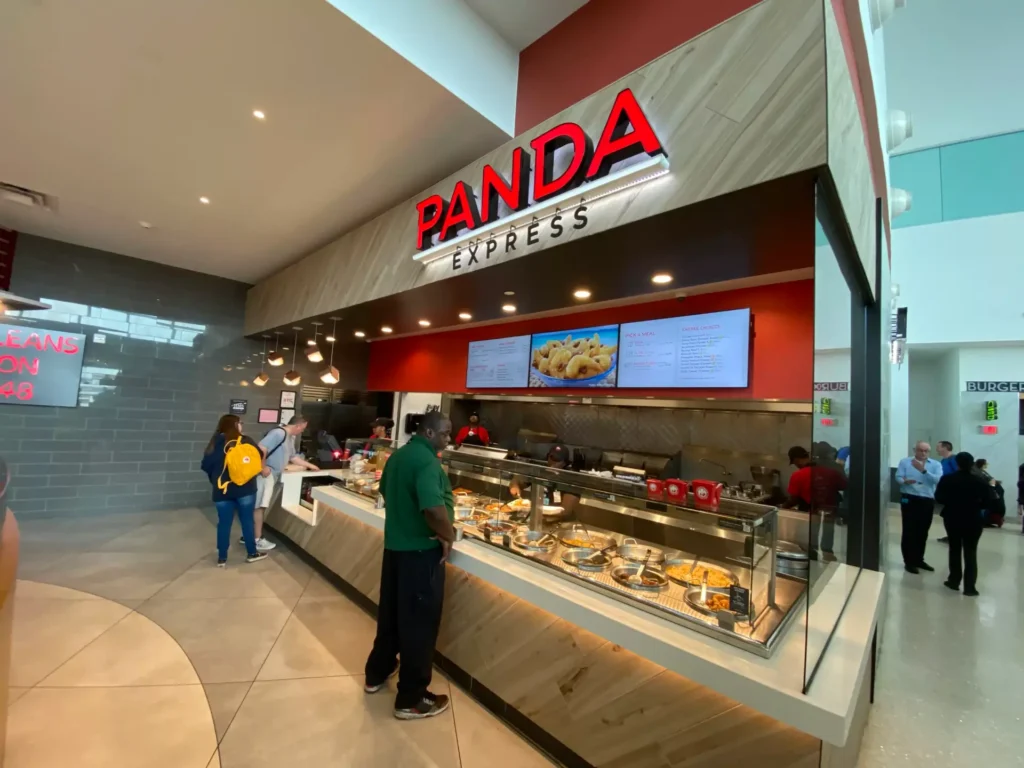
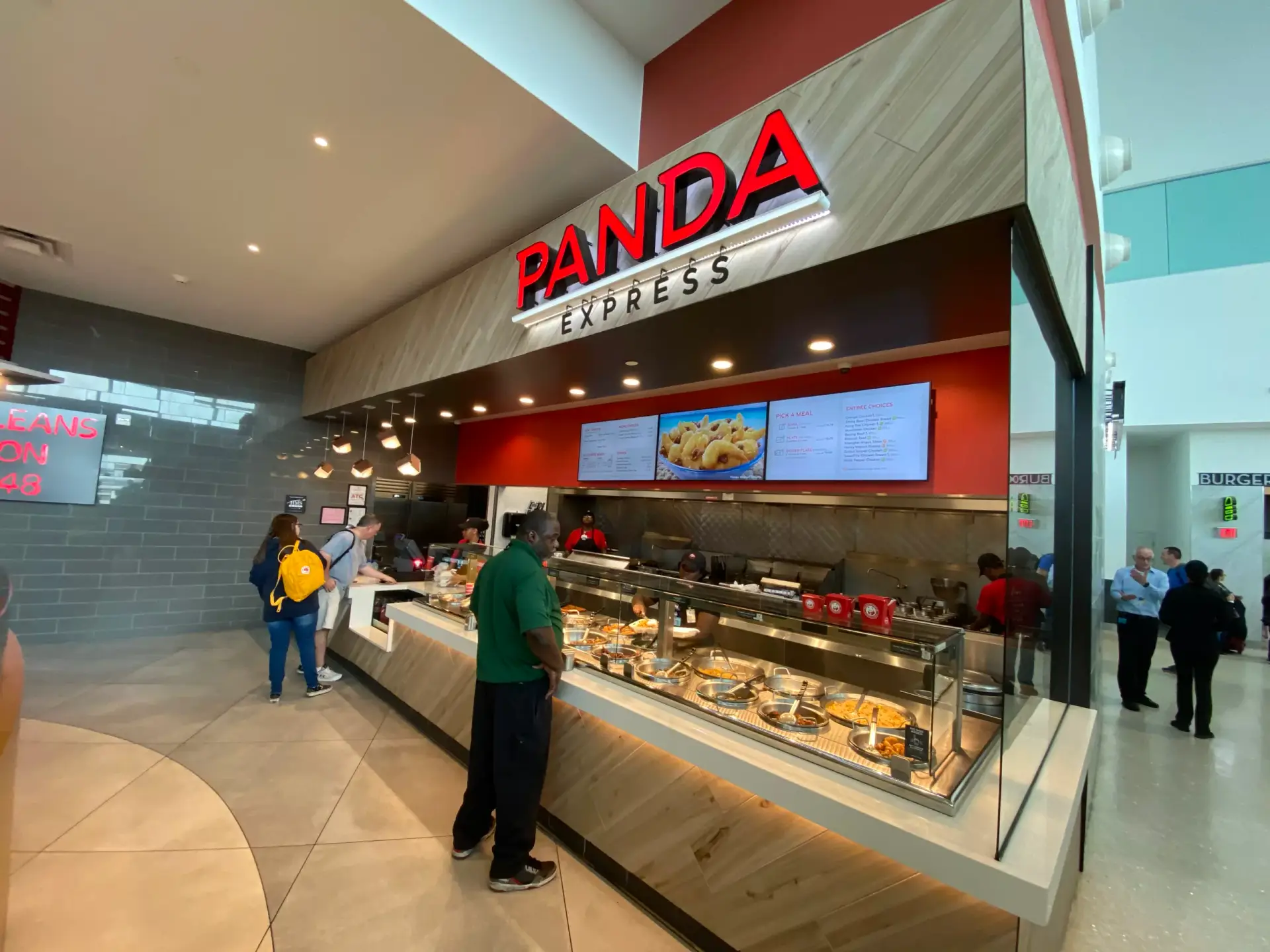
The quick-service restaurant industry is undergoing a fundamental transformation in how it presents food options to customers. Static printed menus, once the standard across every drive-thru lane and counter, are giving way to intelligent digital displays capable of adapting content on the fly. This transition is not merely cosmetic. It represents an operational overhaul that touches everything from order accuracy and speed of service to revenue optimization and brand consistency across hundreds of locations. OSM Solutions has been at the forefront of this shift, providing the cloud-based infrastructure that restaurants need to manage digital menu content at scale.
Real-Time Adaptability Replaces Rigid Print Cycles
One of the most significant advantages digital menu boards hold over their static predecessors is the ability to change content instantly. Breakfast transitions to lunch without a crew member swapping panels. A sold-out item disappears from the screen the moment the kitchen runs out. Promotional pricing goes live across every location simultaneously. This kind of responsiveness was impossible with printed signage, which required lead times for design, production, and physical distribution. With Menuboard Manager, restaurant operators schedule daypart transitions, push limited-time offers, and synchronize content with point-of-sale data from a single dashboard — no matter how many locations they manage.
Intelligent Displays That Drive Revenue
Digital menu boards do more than display prices. When paired with data analytics and machine learning, they become active selling tools. Contextual triggers such as weather, time of day, and historical purchasing patterns can determine which items receive prominent placement on screen. A cold morning might surface hot beverages and hearty breakfast sandwiches, while a warm afternoon emphasizes frozen drinks and lighter fare. These automated adjustments lead to measurable increases in average check size without requiring additional staff effort. Restaurants that leverage these capabilities through platforms like Menuboard Manager gain a competitive edge that compounds over time as the system learns from transaction data.
Operational Efficiency and Sustainability at Scale
For multi-unit operators, the logistics of maintaining printed menus represent a hidden but substantial cost center. Design revisions, print runs, shipping, and in-store installation consume time and budget on a recurring basis. Digital signage eliminates that entire cycle. Menu updates happen remotely and instantly, freeing local teams to focus on food preparation and customer service. The environmental impact is equally compelling — reduced paper waste, fewer freight shipments, and a smaller carbon footprint align with the sustainability goals that both consumers and corporate stakeholders increasingly demand. OSM Solutions has helped organizations across restaurants, airports, and food service venues realize these efficiency gains through streamlined, cloud-managed digital signage infrastructure.
Start the Transition With a Platform Built for Scale
Digital menu boards have moved well past the early-adopter phase. They are now essential infrastructure for any quick-service brand that wants to remain competitive, operationally efficient, and responsive to customer expectations. The technology is proven, the ROI is documented, and the tools to manage it are more accessible than ever. To explore how Menuboard Manager can modernize your restaurant signage strategy, contact us to schedule a demo. You can also visit the OSM Solutions blog for case studies and the latest developments in digital signage technology.
