
Why Quick-Service Restaurants Are Rethinking Their Menu Display Strategy
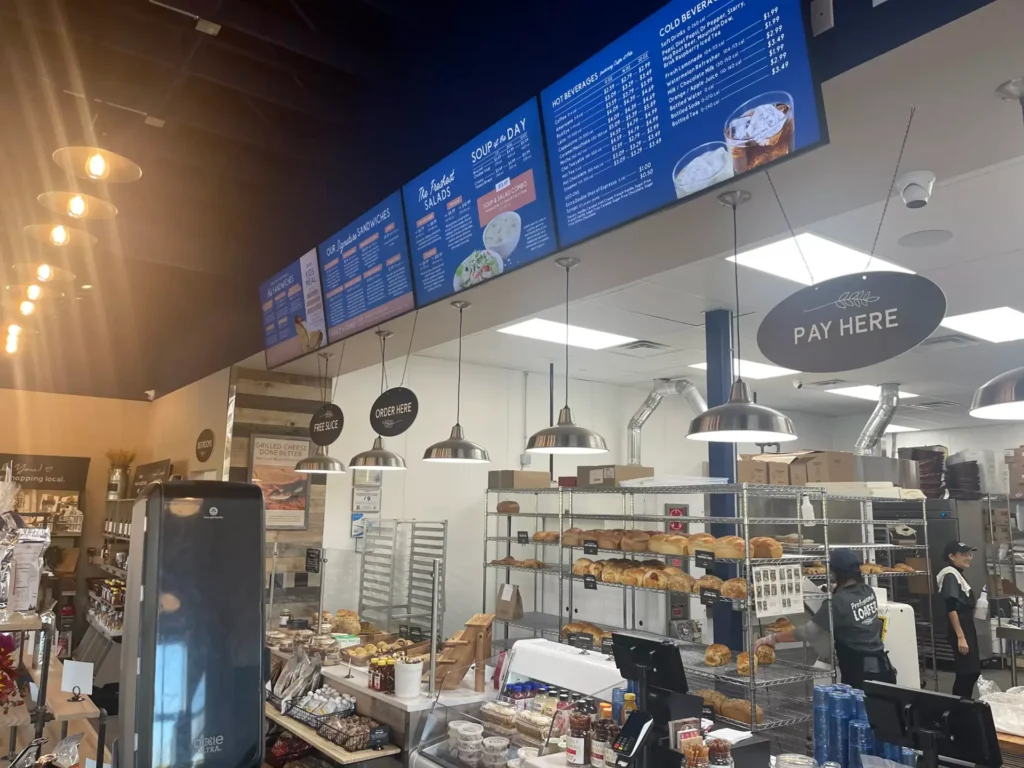
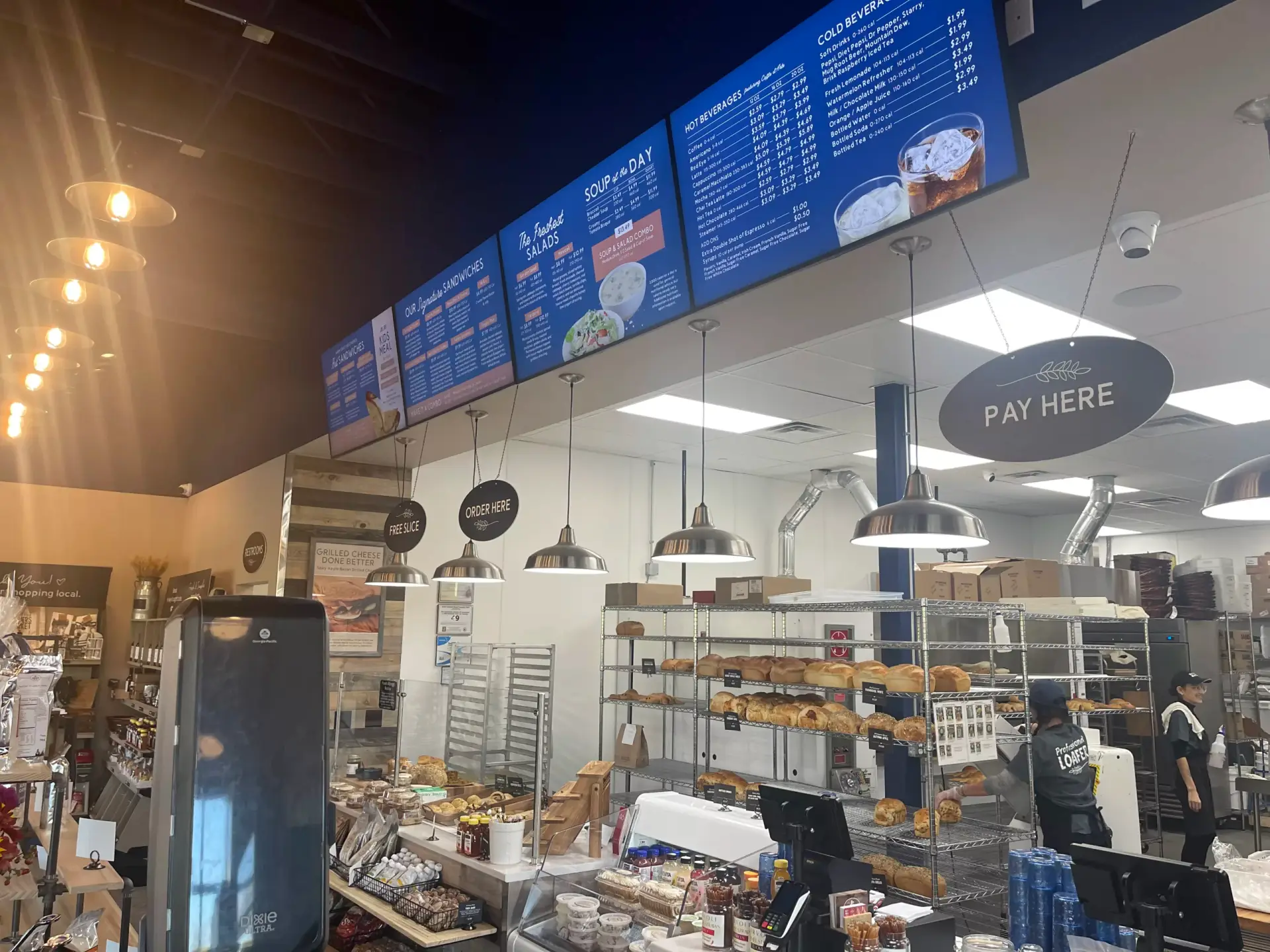
The quick-service restaurant industry is undergoing a fundamental shift in how it communicates with customers at the point of decision. Static menu boards, once the industry standard, are rapidly giving way to intelligent digital displays that adapt to real-time conditions. This transition is not driven by novelty. It is driven by measurable gains in operational efficiency, revenue per transaction, and regulatory compliance. Restaurants that continue relying on printed signage face growing disadvantages as consumer expectations and government mandates evolve in parallel.
Intelligent Displays That Respond to Demand in Real Time
One of the most impactful developments in QSR technology is the ability for menu screens to react dynamically to shifting conditions throughout the day. Daypart transitions, inventory fluctuations, and promotional windows no longer require manual intervention. When a restaurant’s point-of-sale system communicates directly with its displays, sold-out items disappear from the screen automatically, and limited-time offers appear precisely on schedule. Menuboard Manager enables this level of automation through centralized cloud-based control, allowing operators to manage content across dozens or hundreds of locations from a single dashboard. The result is a menu that always reflects what the kitchen can actually serve, reducing customer frustration and eliminating wasted screen space.
Meeting Compliance Requirements Without Operational Disruption
Federal calorie disclosure mandates and evolving allergen transparency laws have made static signage a liability for larger restaurant chains. Every recipe reformulation or ingredient substitution previously meant reprinting and redistributing physical materials across every location. Digital menu boards eliminate this bottleneck entirely. Updates propagate instantly, ensuring every screen in every restaurant reflects current nutritional data the moment a change takes effect. For multi-location operators, OSM Solutions provides the infrastructure to maintain compliance without pulling managers away from daily operations. This capability is particularly critical for franchise networks where consistency across locations is both a brand requirement and a legal obligation.
Connecting the In-Store and Mobile Experience
Customers increasingly begin their ordering journey on a smartphone and complete it at the counter or drive-thru window. When the promotions a guest sees on a mobile app differ from what appears on the restaurant’s screens, it creates confusion and erodes trust. Unified content management solves this problem by ensuring every customer touchpoint reflects the same pricing, availability, and promotional messaging. This cohesion also supports sustainability goals. Digital signage eliminates the recurring waste and expense of printed promotional materials, allowing restaurants to highlight eco-conscious menu options and sourcing practices without adding to their environmental footprint.
Building a Scalable Foundation for Future Innovation
AI-driven personalization, predictive menu optimization, and advanced audience analytics are no longer theoretical concepts reserved for the largest global chains. These capabilities are becoming accessible to independent operators and regional franchises willing to invest in the right platform. The key is choosing a system designed for scalability. Menuboard Manager from OSM Solutions gives restaurant operators a cloud-based CMS that grows with their business, from a single location to a national footprint, without requiring a technology overhaul at each stage. To explore how our platform fits your operation, visit our latest updates and case studies or contact us to schedule a demo.
