
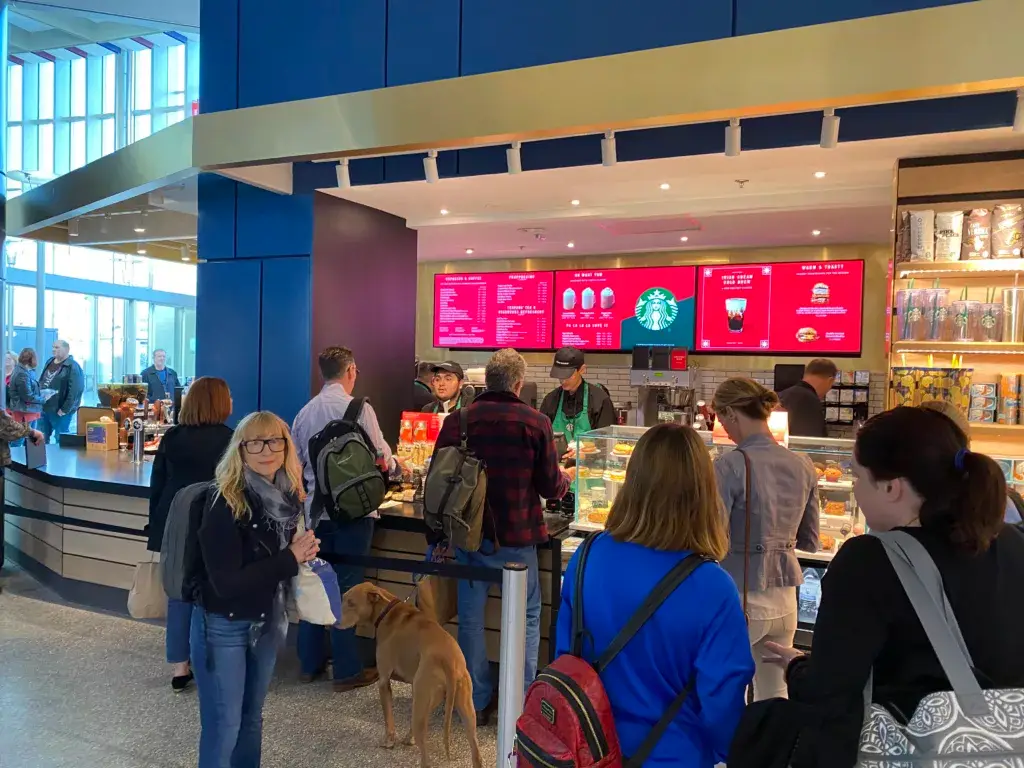
Why Digital Menu Boards Have Become a Strategic Priority for Restaurants
The restaurant industry has entered a phase where static signage no longer meets operational or customer expectations. Digital menu boards now serve as revenue-influencing platforms capable of adapting content in real time, responding to inventory changes, and presenting targeted promotions without manual intervention. For quick-service restaurants, fast-casual chains, airport concessions, and food service operators of all sizes, digital menu technology is no longer optional — it is foundational to competitive performance. OSM Solutions has been at the forefront of this shift, providing the infrastructure and software restaurants need to capitalize on these capabilities.
Intelligent Scheduling and Time-Based Content Delivery
One of the highest-impact capabilities available to restaurant operators today is automated content scheduling based on time of day. Rather than displaying a single static menu around the clock, operators can configure their boards to transition between breakfast, lunch, dinner, and late-night menus automatically. This approach ensures that customers see only what is relevant, which reduces decision fatigue and increases the likelihood of conversion on promoted items. Menuboard Manager makes this scheduling process straightforward through its cloud-based dashboard, allowing operators to set schedules once and deploy them across every location simultaneously.
Connecting Menu Displays to Real-Time Operational Data
Restaurants that connect their digital displays to live data sources gain a significant operational edge. When a menu board reflects actual inventory availability, pricing adjustments, or location-specific promotions without requiring staff to make manual changes, the result is fewer order errors, reduced customer frustration, and faster throughput. This kind of system-level integration transforms menu boards from passive displays into active components of restaurant operations. OSM Solutions builds its platform around this principle, ensuring that Menuboard Manager functions as a centralized control point for multi-location menu management.
The Role of Visual Design in Driving Purchase Behavior
Technology alone does not drive results — content quality matters equally. High-resolution imagery, motion graphics, and well-structured menu layouts directly influence what customers order and how much they spend. Research consistently shows that professionally designed digital menus outperform text-heavy or poorly organized displays in both average ticket size and customer satisfaction. Restaurants that pair strong visual content with smart scheduling and data integration create a compounding effect on sales performance. For insights on how leading operators are approaching these challenges, the OSM Solutions blog regularly covers real-world implementations and best practices.
Positioning Your Restaurant for What Comes Next
The trajectory of restaurant technology points toward greater automation, deeper personalization, and tighter integration between customer-facing displays and back-of-house systems. Operators who invest in flexible, cloud-managed digital menu board platforms now will be best positioned to adopt emerging capabilities — including AI-driven recommendations and predictive content delivery — as they mature. Menuboard Manager provides the scalable foundation restaurants need to stay ahead of these developments without overhauling their systems every time the technology landscape shifts. To explore how a modern digital menu board system can work for your operation, contact us to schedule a consultation with the OSM Solutions team.
