
Why Quick-Service Restaurants Are Rethinking Static Menus
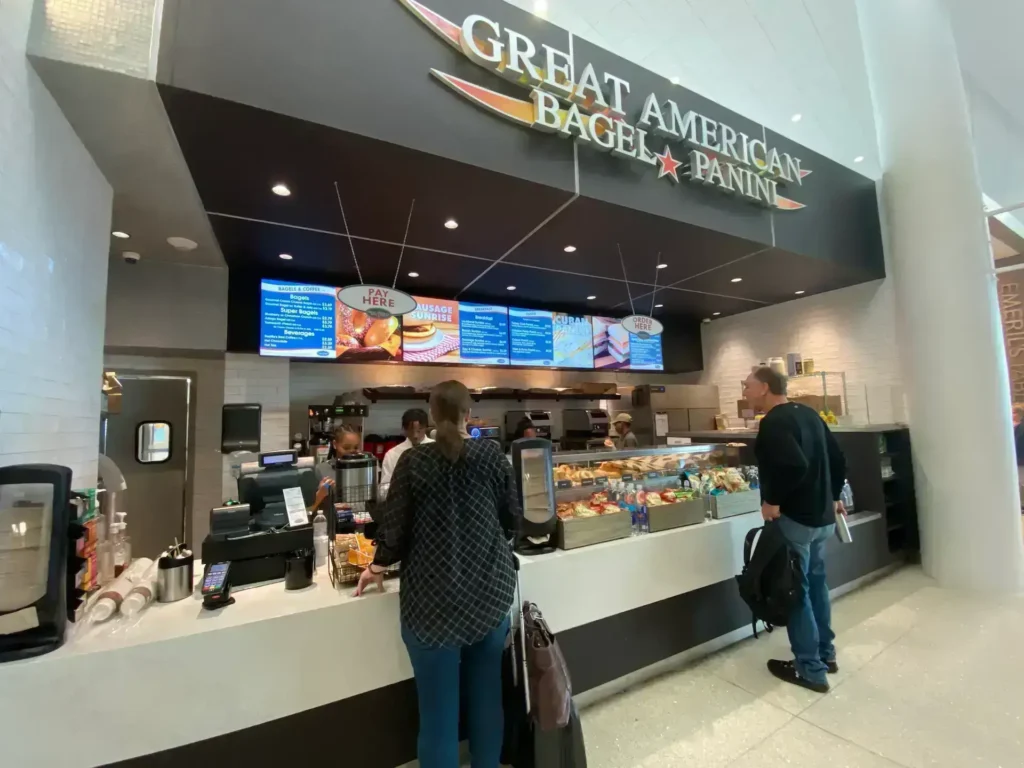
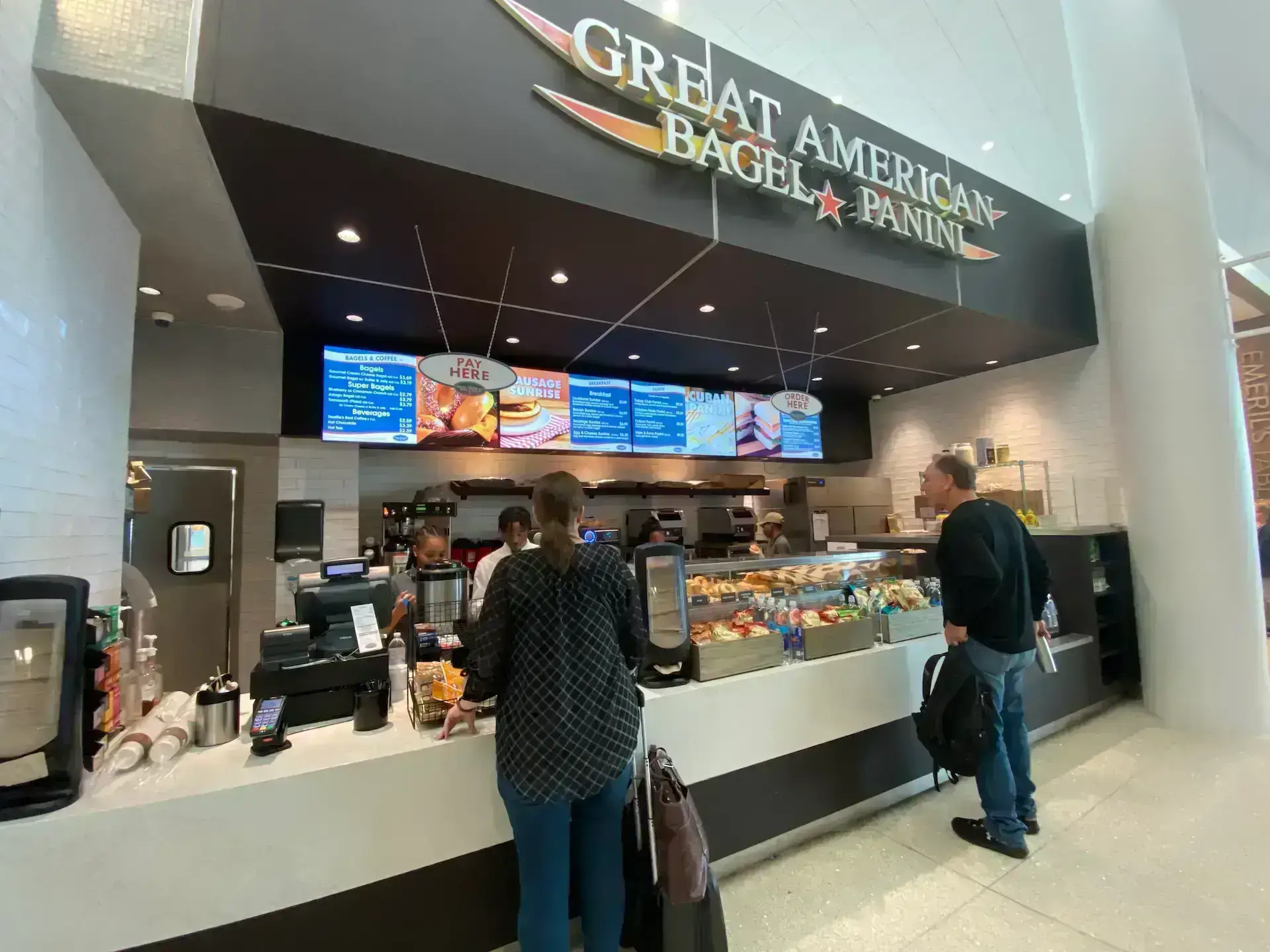
The economics of quick-service dining have changed. Labor costs are climbing, consumer expectations are shaped by smartphone-level interactivity, and margins on individual menu items are thinner than ever. In this environment, a printed menu taped behind the counter is a liability. Digital menu boards give operators a programmable, data-responsive surface that can adapt to time of day, inventory levels, and customer behavior — all without dispatching someone with a ladder and a laminated sheet. For restaurant groups managing dozens or hundreds of locations, the ability to push menu changes from a single dashboard eliminates weeks of coordination and thousands of dollars in print production.
Real-Time Control That Protects Revenue
The most immediate financial benefit of a digital menu board system is the ability to react in real time. When a supplier shorts a delivery or a prep team runs out of a key ingredient, the item can disappear from every screen in seconds. That prevents a cascade of failed orders, refunds, and negative customer interactions. Equally important, operators can spotlight high-margin items during specific dayparts — promoting premium coffee drinks in the morning and combo meals during the dinner rush — without redesigning a single piece of collateral. Menuboard Manager is built around this principle, providing a cloud-based CMS that lets restaurant teams schedule, swap, and target content across any number of displays from one centralized platform.
Connecting Screens to the Broader Tech Stack
A digital menu board operating in isolation captures only a fraction of its potential value. The real gains appear when screens connect to point-of-sale systems, inventory databases, and mobile ordering platforms. When those systems share data, the menu board becomes context-aware: it knows what sold out five minutes ago, which promotions are converting, and how current weather conditions might shift demand toward cold beverages or warm soups. OSM Solutions engineers these integrations so that restaurant technology works as a single ecosystem rather than a collection of siloed tools. The result is faster throughput, fewer order errors, and a measurably higher average ticket.
Sustainability and Compliance Without Compromise
Regulatory requirements around allergen disclosures and calorie counts continue to tighten across North America. Updating that information on printed boards is slow and error-prone. Digital displays handle it effortlessly — nutritional data can be formatted dynamically, layered into the design without overwhelming the customer, and updated the moment a recipe or portion size changes. The environmental calculus matters too. Eliminating recurring print runs reduces waste, lowers freight, and signals to increasingly eco-conscious diners that a brand is serious about sustainability. For operators tracking ESG metrics, the shift from static to digital signage is one of the simplest wins available.
Getting Started With the Right Platform
OSM Solutions has spent years refining Menuboard Manager specifically for the demands of food service — from single-location independents to enterprise QSR chains. The platform covers hardware sourcing, content design, scheduling, and ongoing support, so the transition from static to digital is structured and low-risk. To explore how digital menu boards can improve your operation’s speed, accuracy, and profitability, contact us to schedule a demo. You can also visit our news and case studies page to see how other restaurant brands have made the switch.
